
Most articles about Greek island hopping tell you that summer is best and winter is difficult. That’s true, but it doesn’t answer the question most people are actually asking when they find themselves planning a late-season trip: is it too late for me, specifically, with my dates, targeting these islands?
The answer depends almost entirely on which archipelago you’re visiting. The difference between them is significant.
October in the Saronic Gulf is a perfectly reasonable time to island hop. October in the Sporades is borderline. October in the North Aegean requires a very different kind of trip than most people have in mind.
This guide gives a direct answer for each island group: the last month where a normal island hopping itinerary works without special planning, the window where it’s still possible but requires flexibility, and the point where it stops being realistic for most travelers.
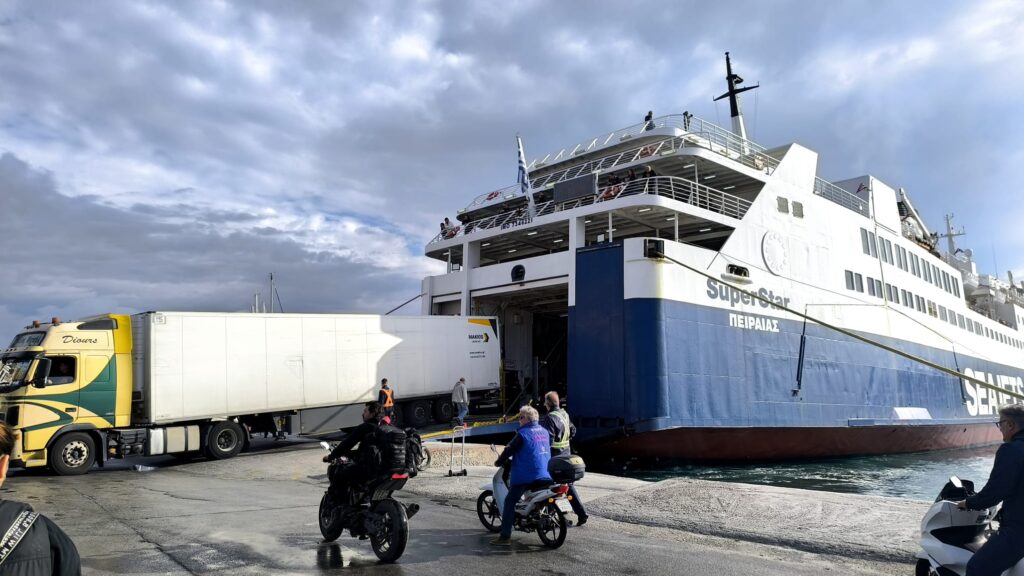
The verdict framework — applied to each archipelago:
| Archipelago | Safe until | Risky from | Too late for hopping |
|---|---|---|---|
| Saronic Islands | November | December | January–February |
| Dodecanese | October | November | December–March |
| Cyclades (major islands) | October | November | December–March |
| Ionian Islands | October | November | December–March |
| Cyclades (minor islands) | September | October | November–April |
| North Aegean | September | October | November–April |
| Sporades | September | October | November–May |
What each tier means in practice:
Safe until: ferries run frequently enough to support a multi-island itinerary without advance schedule research. Accommodation is open. You can be flexible.
Risky from: inter-island connections exist but are reduced. Some accommodation closes. A cancelled ferry has fewer replacement options. Workable if you build buffer days and check schedules before booking.
Too late for hopping: connections to individual islands may still exist from Athens or the mainland, but moving between islands becomes impractical for most itineraries. This is single-island territory, not hopping.

Contents of When Is It Too Late to Island Hop in Greece? A Month-by-Month Answer by Archipelago
- The Cyclades: Year-Round Accessibility with Seasonal Trade-offs
- The Dodecanese: Southern Warmth with Seasonal Variations
- The Sporades: Commit to Summer or Don’t Go
- The Ionian Islands: The Western Exception
- The Saronic Islands: The Commuter-Friendly Choice
- The North Aegean: For Adventurous Planners
- Strategic Planning Tips
- The Verdict
The Cyclades: Year-Round Accessibility with Seasonal Trade-offs
Spring (April-May)
This is arguably the best time for Cyclades hopping. Ferries run frequently enough to reach all major islands (Mykonos, Santorini, Paros, Naxos, Milos), wildflowers cover the hillsides, and crowds haven’t arrived yet.
Temperatures hover around 20-25°C, perfect for hiking and exploring. Some smaller islands like Folegandros and Koufonisia may have limited weekly connections, but the main routes from Piraeus operate daily.
Check out this Cyclades islands hopping itinerary.
Summer (June-August)
Peak season means maximum ferry frequencies. You can hop between islands daily, sometimes multiple times per day on popular routes.
However, expect crowded boats, fully booked accommodations, and prices at their highest.
The meltemi winds can be strong, occasionally causing cancellations. If you don’t mind the crowds and heat (often exceeding 38°C), summer offers the most flexibility.
Fall (September-October)
The sweet spot for many travelers and my favorite season of all.
Sea temperatures remain warm, ferry schedules are still robust through September (though they start reducing in October), and prices drop significantly.
By late October, connections to smaller islands like Anafi or Sikinos become less frequent, requiring more careful planning.
Winter (November-March)
Only recommended for travelers seeking solitude who don’t mind limited options.
Major islands like Syros, Paros, and Naxos maintain several weekly connections to Piraeus, but crossings between islands become rare. Many hotels and restaurants close.
That said, experiencing the authentic, local side of these islands can be magical for the right traveler. I spent one winter in Crete and loved it to bits.
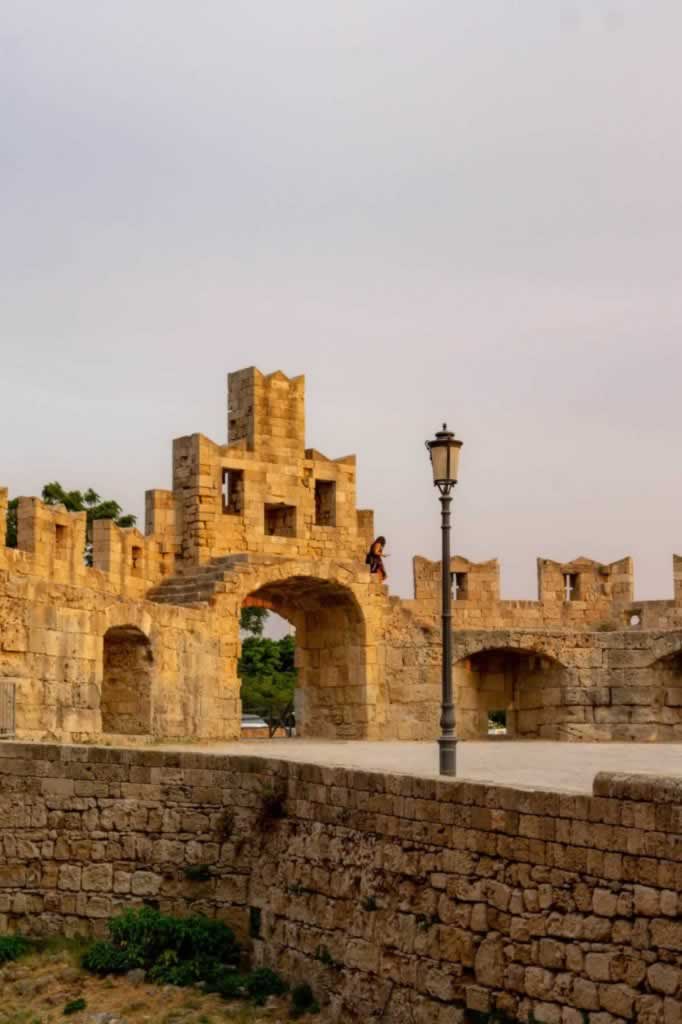
The Dodecanese: Southern Warmth with Seasonal Variations
Spring and Fall
These shoulder seasons are ideal for the Dodecanese. The southern location means warmer temperatures year-round, and ferry services remain quite good from April through October. Rhodes and Kos, being major hubs, maintain excellent connections.
Islands like Symi, Kalymnos, and Patmos are easily accessible, while more remote destinations like Tilos or Kastelórizo require more attention to schedules but remain reachable.
Summer
Excellent ferry connectivity, but Rhodes and Kos can feel overrun with package tourists. The heat is intense, regularly exceeding 35°C, though the sea provides relief. If you’re targeting smaller islands like Halki or Lipsi, summer ensures you won’t be stranded.
I’ve been on Symi on a hot August day. The air temperature exceeded 42 degrees C. Rubber shoes were melting at the contact with the hot asphalt. Brains were melting. Blood was boiling. I didn’t dare to climb the hills to enjoy Symi to the full. I’ll return for a longer stay, but I’ll make sure to plan it for the fall.
Winter
The Dodecanese maintains better winter service than most archipelagos, thanks to its larger islands and proximity to Turkey. Rhodes, Kos, and Kalymnos have regular ferries year-round, but reaching smaller islands becomes challenging.
Winter is surprisingly viable here if you stick to major islands and don’t mind occasional rough seas.
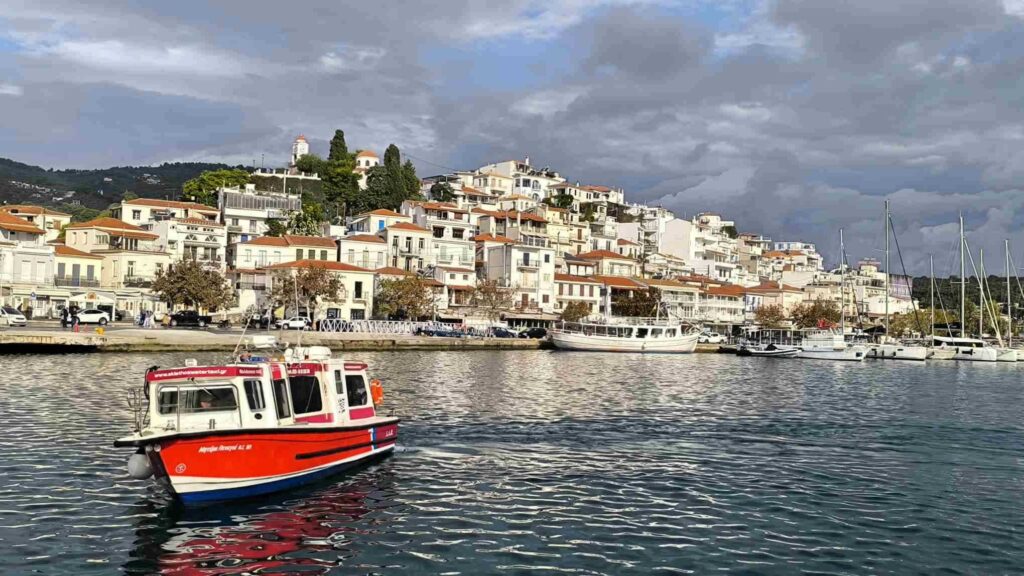
Skiathos Town is the capital of the island, spreading over the hills on the coast
The Sporades: Commit to Summer or Don’t Go
| Safe until | Risky from | Too late for hopping |
|---|---|---|
| September | October | November through May |
The Sporades have the most compressed season of any Greek archipelago. Skiathos, Skopelos, and Alonissos are heavily dependent on tourist traffic, and when that traffic stops, so does most of the infrastructure that makes island hopping work — frequent ferries, open accommodation, functioning restaurants.
What September looks like: Still good. Ferry connections from Volos and Agios Konstantinos on the mainland run regularly, inter-island services are reliable, and the islands themselves are open and functioning. Crowds have thinned from the August peak. This is actually one of the better months to visit — warm sea, quieter beaches, everything still running.
What October looks like: This is where it gets difficult. Ferry frequencies drop noticeably in the first half of October and fall sharply in the second half. Inter-island connections — the short hops between Skiathos, Skopelos, and Alonissos — become sparse and schedule-dependent. You can still visit, but you’re no longer hopping freely. You’re planning each move carefully around a timetable that has limited flexibility if something goes wrong.
Skiathos is the most resilient of the three in October because it has its own airport, giving you an exit option if ferry schedules collapse around you. Alonissos is the most vulnerable — smaller, fewer connections, and the first to effectively shut down for the season.
What November onward looks like: Island hopping in the Sporades is not realistic from November through May. Individual islands have skeleton ferry connections to the mainland, but moving between islands requires either exceptional planning or exceptional luck. Most accommodation is closed. Many restaurants are closed. Skyros, already the most isolated of the Sporades, becomes genuinely difficult to reach.
This isn’t dangerous; it’s just a different kind of trip than most people have in mind when they say island hopping. If you want to spend two weeks on one Sporades island in November experiencing authentic off-season Greek life, that’s possible and potentially rewarding. If you want to move between islands, come back in summer.
The verdict: If your travel dates are in July or August, the Sporades are straightforward. September works well. For October, build in buffer days, check schedules before booking anything, and have a flight option out of Skiathos as a backup. After October, plan for a single island stay rather than a hopping itinerary.
I’ve visited Skiathos and Skopelos by mid-October, flying into Skiathos from Bucharest, Romania, and then ferry to Skopelos with same day return. We’ve got about 6 hours on Skopelos, just enough to properly visit Chora and to enjoy some traditional pies.
Unfortunately, Alonissos and Skyros didn’t have proper connections, so I had to skip them.
Here’s my brief guide to Skopelos. Or may be you want to read more about Skiathos.
Unless you plan to stay put on one island, winter is not recommended here. Should you wish to spend your winter here, you’ll want accommodation somewhere in the port, in order to have easy access to shops and restaurants.

The Ionian Islands: The Western Exception
Spring through Fall (April-October)
The Ionian Islands operate somewhat independently from the Aegean’s ferry network, with many travelers using the western mainland ports (Igoumenitsa, Patra) or flying into Corfu. Ferry services here are reliable throughout the warmer months, connecting Corfu, Paxos, Lefkada, Kefalonia, Ithaca, and Zakynthos.
The greener landscape and slightly milder temperatures make spring and fall particularly attractive.
Summer
Busy but manageable, with excellent connections. The Ionian Islands attract a different crowd, more Italian and Northern European tourists. They feel less frantic than the Cyclades, despite good visitor numbers.
Winter
Better than the Aegean for winter travel, with regular ferry services to major islands year-round, particularly to Corfu and Kefalonia. However, many tourist services close, and inter-island connections reduce significantly.
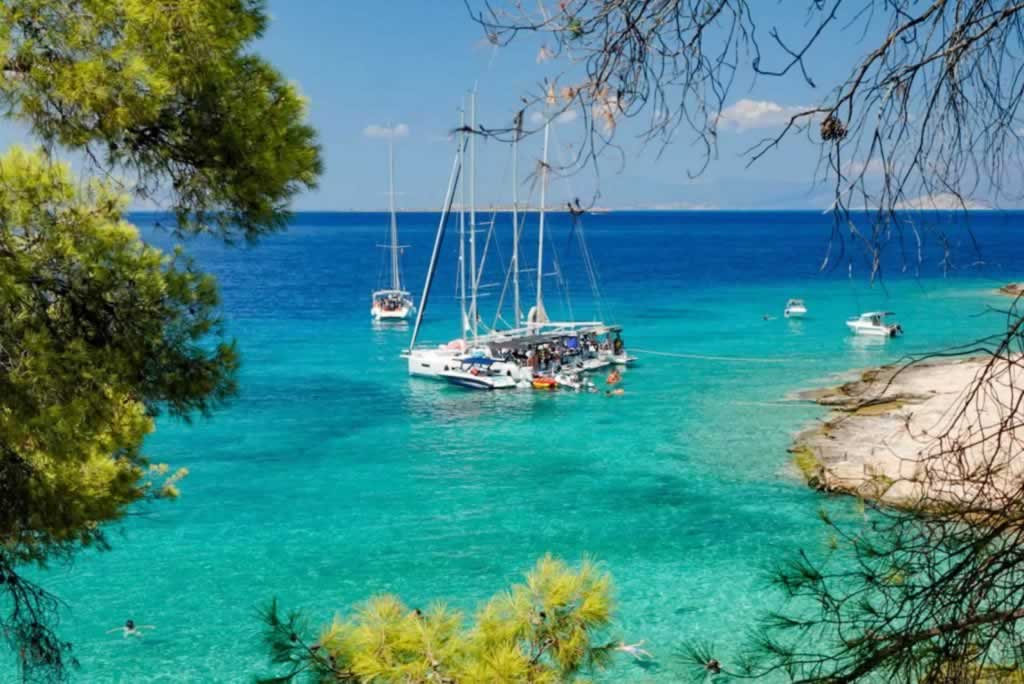
The Saronic Islands: The Commuter-Friendly Choice
Year-Round
These islands near Athens (Aegina, Poros, Hydra, Spetses) maintain the most consistent ferry services throughout the year, operating almost like maritime commuter routes. While summer offers the most frequent departures, winter schedules remain robust enough for island hopping any time of year.
Best Time
Spring and fall offer the ideal balance—frequent ferries, pleasant weather, and manageable crowds. Weekends year-round can be busy with Athenians escaping the city.
The North Aegean: For Adventurous Planners
Summer
Essential for hopping these dispersed islands (Lesvos, Chios, Samos, Ikaria, Limnos). While each major island has year-round connections to Piraeus, inter-island ferries are limited even in summer. This archipelago requires the most careful route planning, as you might need to return to the mainland to reach your next island.
Off-Season
Only for travelers focusing on one or two islands. The North Aegean islands are large and culturally rich enough to warrant extended stays, but hopping between them off-season requires significant patience and flexibility.
Strategic Planning Tips
Mix and Match
Consider combining ferry travel with short domestic flights, especially in shoulder seasons. A quick flight from Athens to Rhodes or Mykonos can jumpstart your hopping adventure when ferry schedules are limited.
Hub Strategy
Base yourself on hub islands (Paros in the Cyclades, Rhodes in the Dodecanese) during shoulder seasons, taking day trips or overnight excursions to nearby islands.
Weather Wildcards
Even in summer, the meltemi winds (primarily affecting the Cyclades) can cause cancellations. Always build buffer days before flights home.
Book Ahead in Summer
While you can often buy tickets on the day during shoulder seasons, summer requires advance booking, especially for popular evening ferries and accommodations.
The Verdict
For maximum flexibility and ease, late May through early July and September offer the best overall experience across all archipelagos. You’ll enjoy warm weather, good ferry connections, and manageable crowds.
If you’re targeting the Sporades specifically, commit to July-August.
For the Cyclades or Dodecanese with some adventure tolerance, April-May and September-October provide the most rewarding experiences.
Winter island hopping is really only practical in the Saronic Gulf or on single-island deep dives in the Cyclades and Dodecanese.
Ultimately, the best time for your Greek island adventure depends on your priorities: chasing perfect weather and ferry reliability, avoiding crowds, or experiencing authentic island life when the tourists have departed and locals reclaim their shores.